 20 Jan 2026Cleanup Norway in Time
Global cleanup action along the Norwegian coast
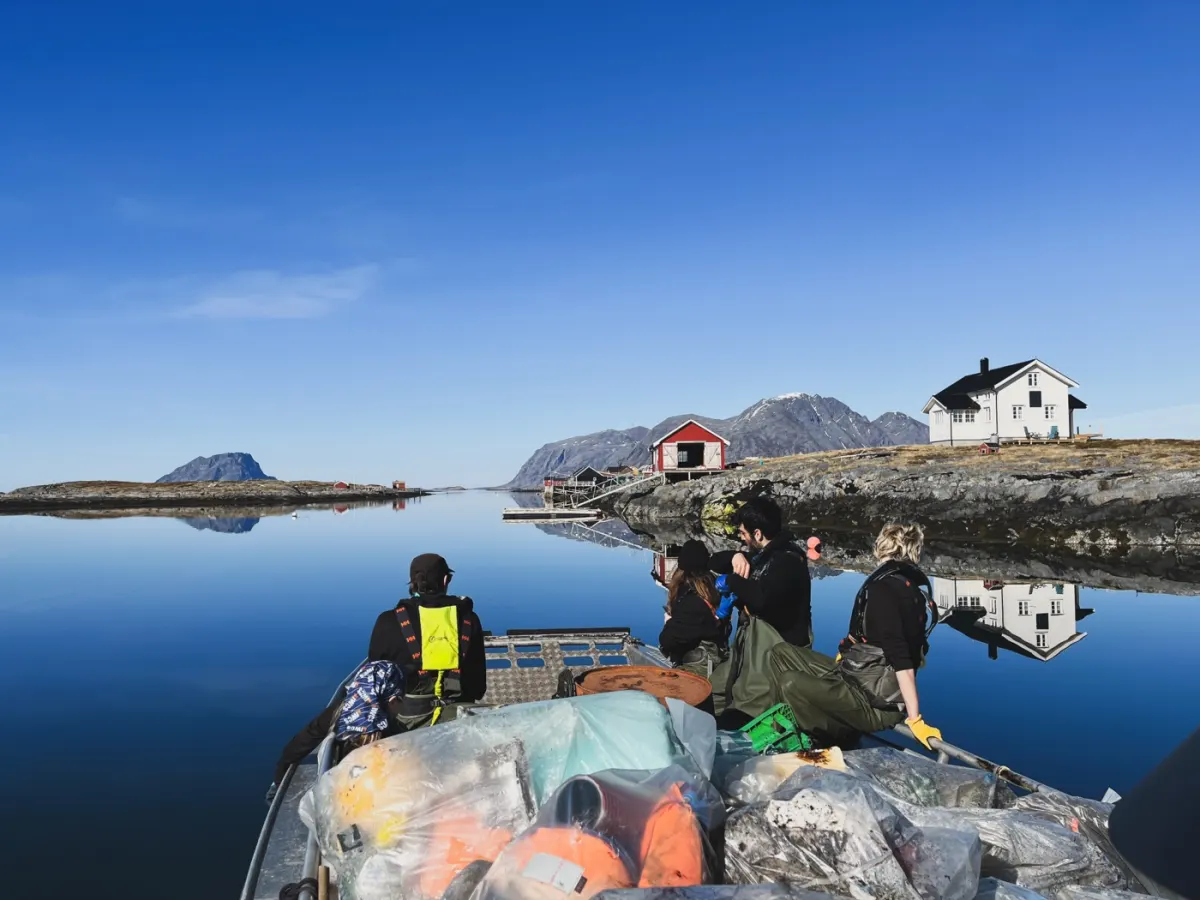
What makes volunteers from all over the world queue up to clean litter along Norway’s demanding coastline?
Read the story
The world’s largest professional cleanup programme. Fully funded by the Norwegian Retailers’ Environment Fund. Cleaning the world’s second-longest coastline.
Meet the teams doing the heavy lifting along Norway’s coast.
Select a region to see who’s cleaning up.
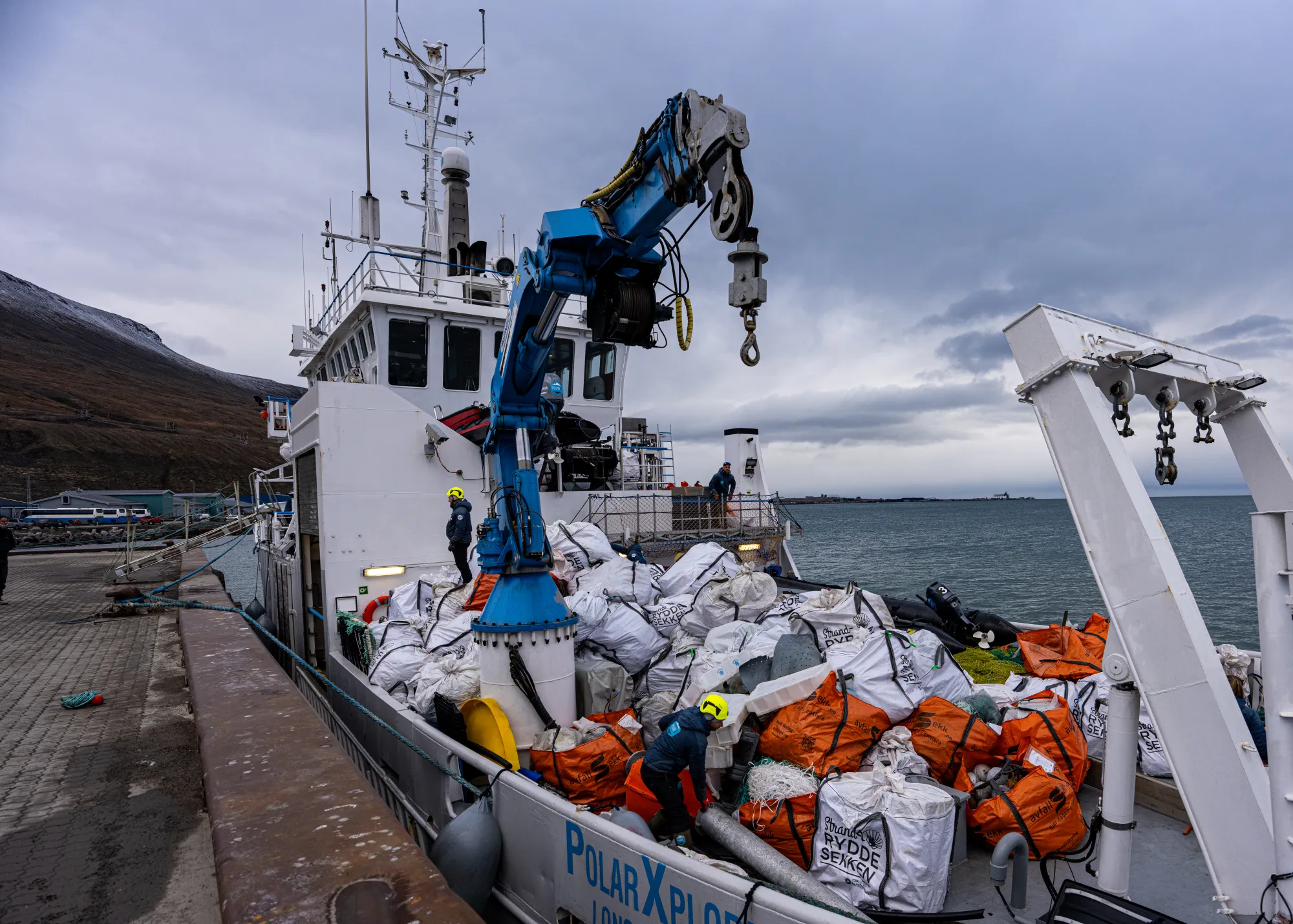
Cleanup Norway in Time is the world’s largest professional cleanup programme, launched and funded by the Norwegian Retailers’ Environment Fund. We remove plastic litter from Norway’s remote outer coastline, from places commonly visited only by migratory birds, where litter would otherwise remain.
Cleanup operators are selected through open tenders based on their expertise, equipment and experience.
What we have achieved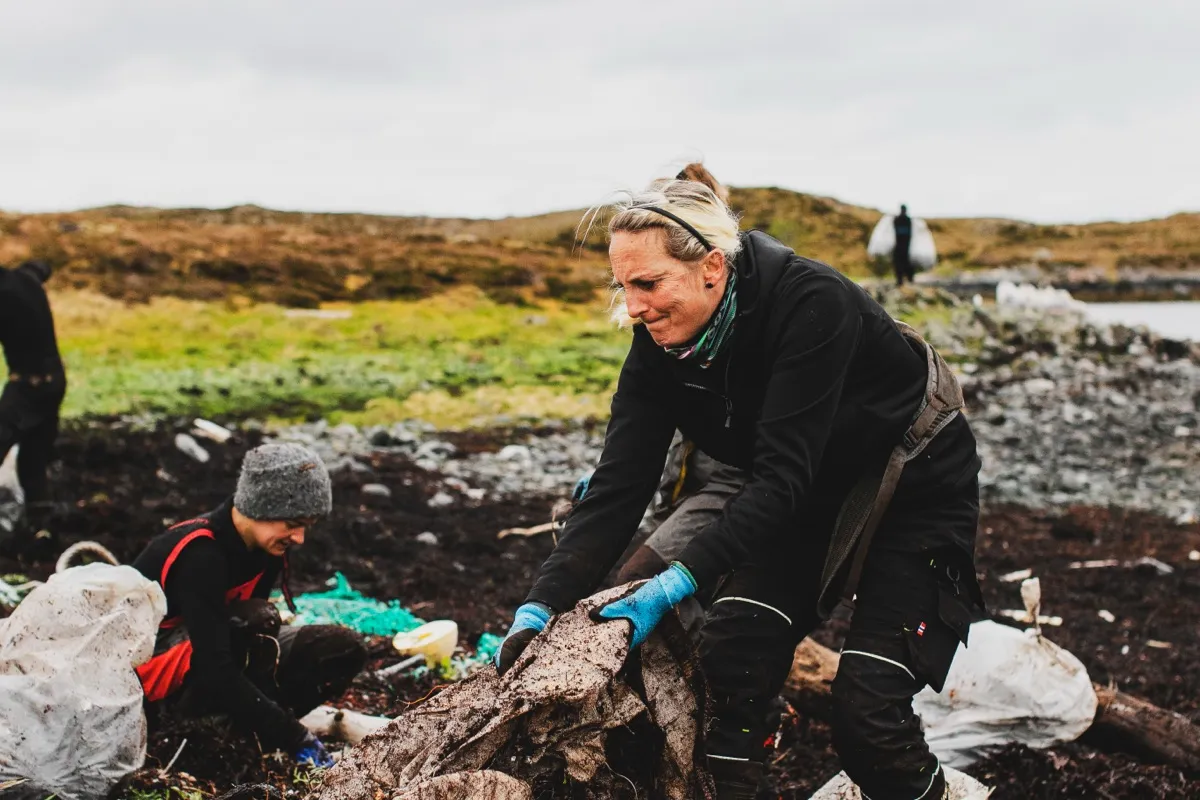
We clean across seven regions along Norway’s entire coastline, including Svalbard.
See where we clean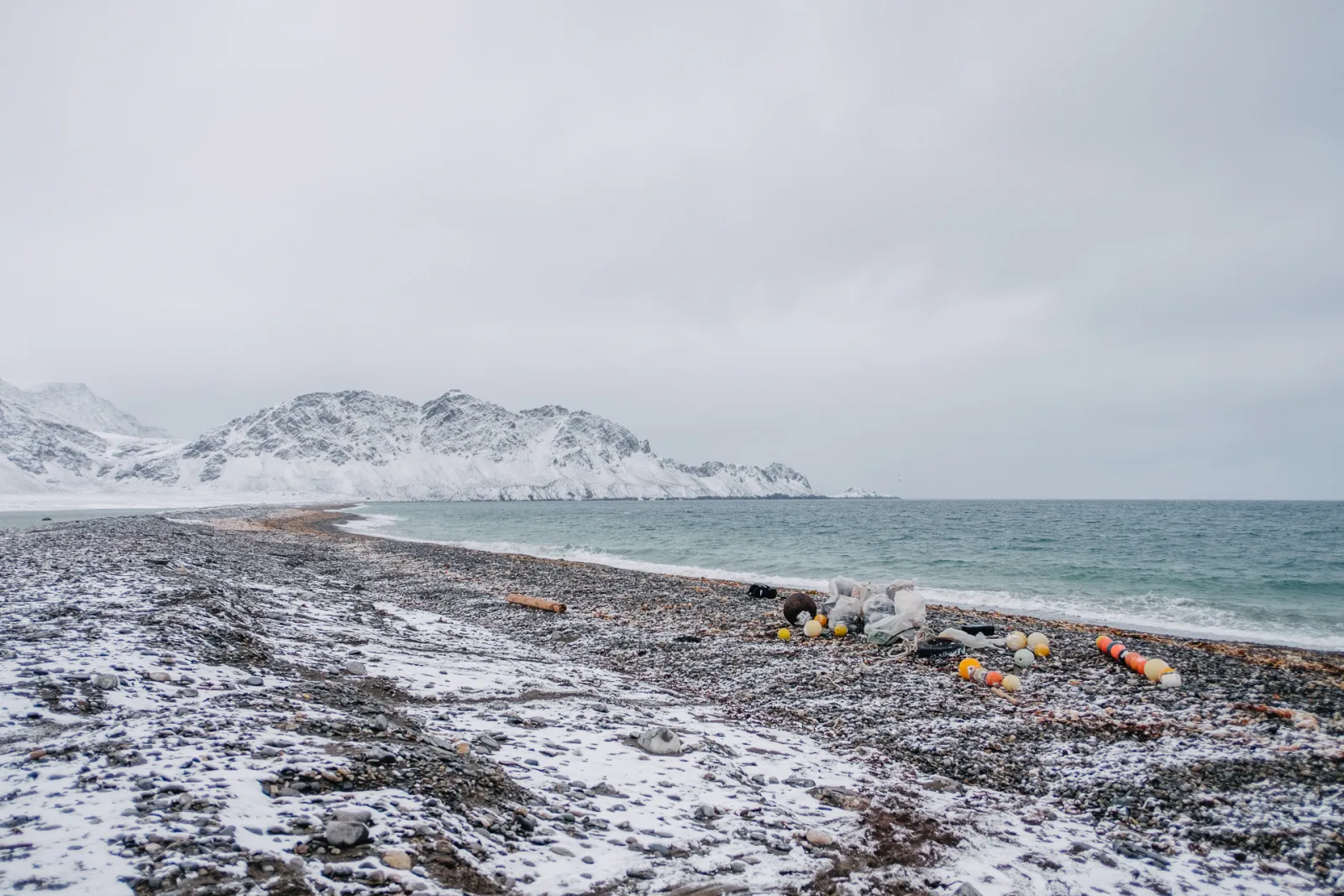
Our guide shows governments and organisations how to set up a professional cleanup programme.
Read the guide
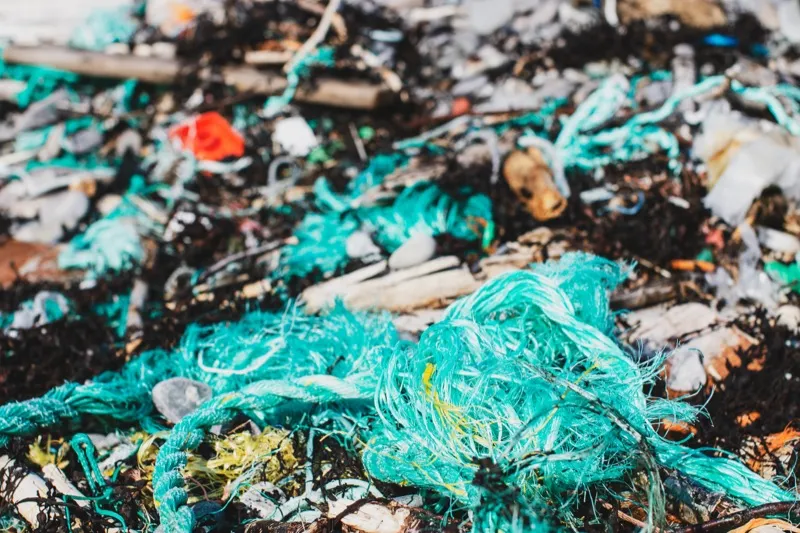
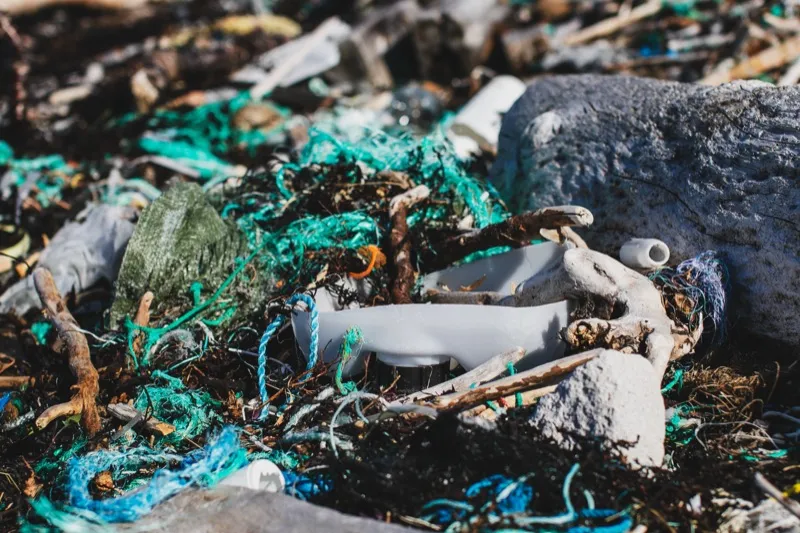
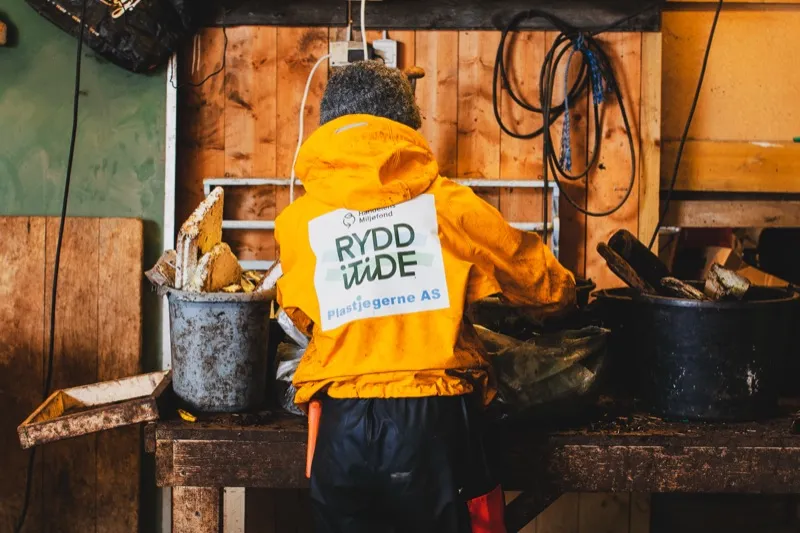
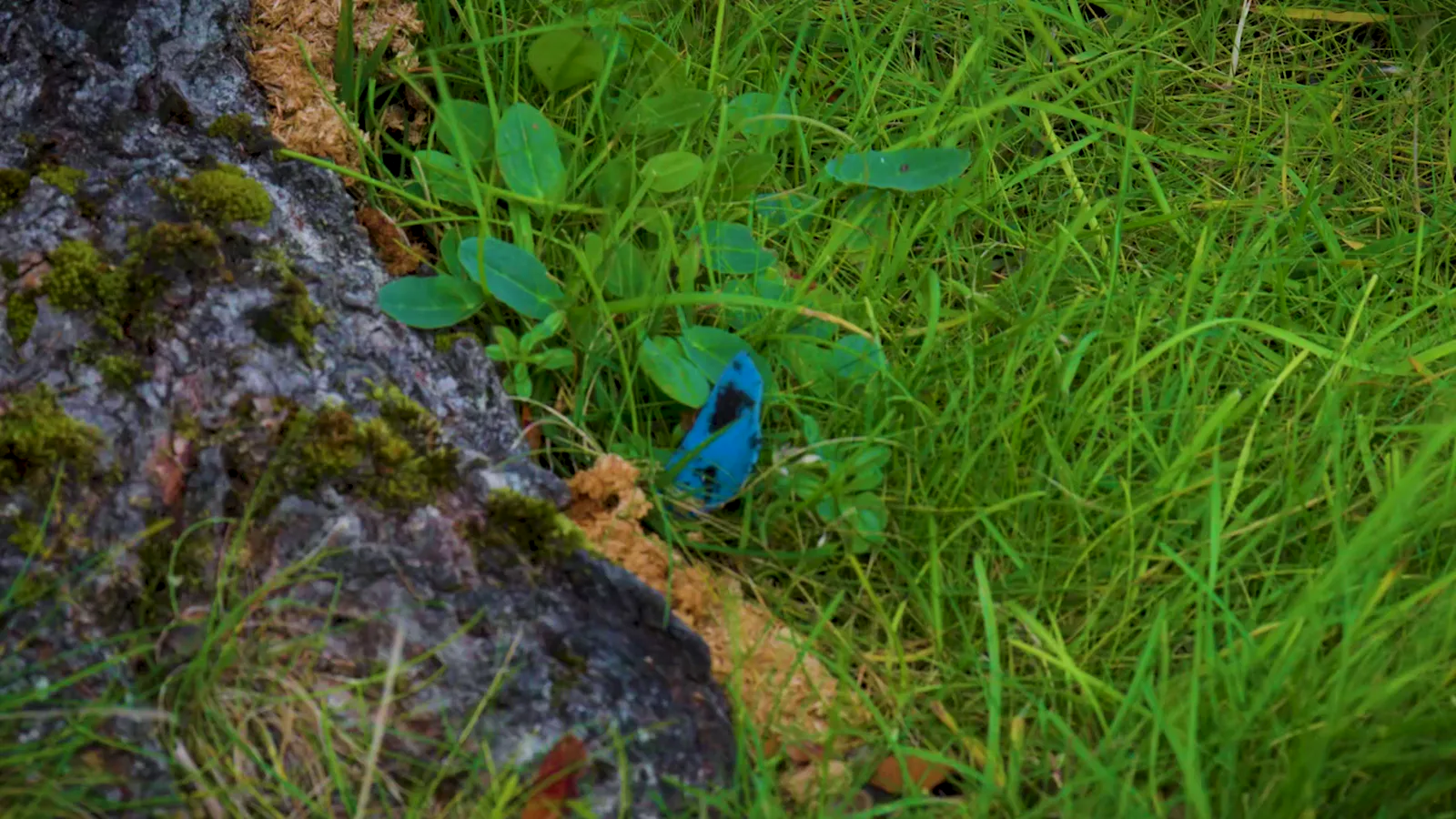
These pieces are so degraded that we can no longer tell what they were or where they came from. Tiny and numerous, they require crews to work slowly and carefully over each area.
The categories are based on known patterns in Norwegian beach cleaning.
In tonnes, 2021–2026
0 tonnes
Based on all cleanup actions registered since 2021.
Cleanup Norway in Time is initiated and funded by The Norwegian Retailers’ Environment Fund. The funds of The Norwegian Retailers’ Environment Fund come from the members who pay a fee of NOK 4 per plastic carrier bag they purchase or sell in Norway. All stores, chains and wholesalers that trade in plastic carrier bags can become members of The Norwegian Retailers’ Environment Fund.
Our cleanup operators are companies from across the country that specialise in professional beach cleaning. It is the employees of these companies who carry out the work in the field.
Cleaning up Norway’s outer coastline requires qualified personnel with good Health, Safety and Environment (HSE) procedures, as well as relevant equipment. Assignments in Cleanup Norway in Time are announced through competitive tendering.
As a supplier, you must be a legally established enterprise, have sound financial management, access to suitable equipment and relevant experience from comparable assignments.
Coastal cleaners are professional cleanup operators whose daily work is cleaning up, and who are paid for this work. They are employed by an enterprise that is a supplier in the Cleanup Norway in Time programme.
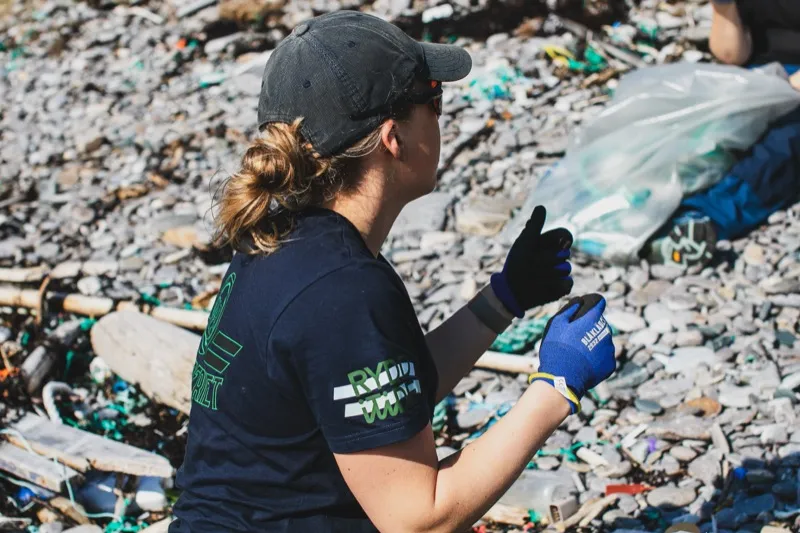
Our beach cleaners have different professional backgrounds, but what they all have in common is that they are in good physical shape and have a strong commitment to nature and the environment. Most have extensive experience of beach cleaning or travelling by sea. Positions are advertised through the usual channels, such as finn.no.
In principle, no, as professional beach cleaning requires training and adequate insurance. Some of our cleanup operators have long-term volunteers who contribute to beach cleaning over a longer period. Certain cleanup operators take part in actions with volunteers on request.
If you would like to remove marine litter as a volunteer, we recommend checking cleanup actions on the website Rydde or in the Rydde app. Here you will find planned cleanup actions that are open to everyone.
The waste is delivered to local waste management companies for proper handling. How marine litter is handled by waste management companies varies from municipality to municipality. As a rule, marine litter is in such poor condition or so overgrown/degraded that it is not suitable for material recycling. Plastic waste is generally sent for energy recovery, and in some cases landfilled. Hazardous waste is handled in accordance with regulations for hazardous waste.
Cleanup takes place in all coastal counties, as well as Svalbard. During the period 2024–2025, 126 municipalities were part of the Cleanup Norway in Time programme. See the map on Rent hav , operated by the Norwegian Environment Agency, where all cleanup activities are registered.
The cleanup season in Norway varies greatly from north to south. In some places, such as Agder and the Oslofjord, cleanup can generally take place all year round. In Troms and Finnmark, the cleanup season often does not begin until May/June.
Wondering when cleanup takes place in your municipality? Contact your local cleanup operator for more information.
In the Cleanup Norway in Time programme, our goal is to clean up 55 per cent of the outer coastline by the end of 2026. We give particular priority to areas with vulnerable nature and wildlife, and areas that are difficult to access. The selection of areas is carried out in close dialogue with local stakeholders, the County Governor and selected municipalities. In addition, we base our work on data registered in Rent Hav.
As a rule, we only carry out clean-up operations in areas included in the clean-up plan for each individual region. If the area is included in the plan, you can contact the project manager in your region. If you have discovered littered areas, illegal dumping sites or private dumping sites, you can contact the municipality, which is the pollution control authority.
No, unfortunately, as a beach cleaner, you are responsible for the litter you collect. Our cleanup operators can take on paid assignments beyond the Cleanup Norway in Time programme.
Volunteer beach cleaners are advised to check Hold Norge Rent’s web pages on the management of marine litter.
We funded large cleanup actions because we wanted to make a difference for the environment, but also because we needed data: who actually litters, and how much? Now we have that knowledge. Our strategy is therefore changing: going forward, plastic bag funds will not be used to clean up after other industries. That responsibility lies with those who create the problem.
The Norwegian Retailers’ Environment Fund approves the cleanup plans, and the operators document the results as they go. When assignments are awarded, quality and expertise count for most, not the lowest price.
Stories from cleanup actions along the Norwegian coast.
20 Jan 2026Cleanup Norway in TimeWhat makes volunteers from all over the world queue up to clean litter along Norway’s demanding coastline?
Read the story 17 Nov 2025Cleanup Norway in Time
Cleanup assignments are now being announced in three of the country’s hardest-hit regions for marine litter.
Read the story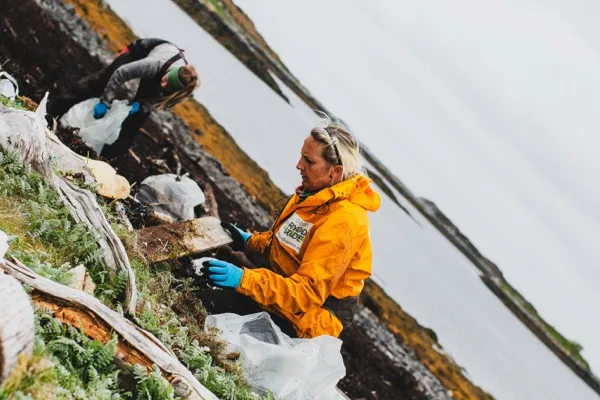 16 Sep 2025Cleanup Norway in Time
Furthest north, where weather and distances make everything more demanding, Miljørederiet camps for weeks on end.
Read the storyOur guide shares what we have learned from building Cleanup Norway in Time: funding, regional planning, tendering, cleanup standards and reporting.